Glucose Intolerance
IncreasedNMN ameliorated glucose intolerance in high-fat-diet- and age-induced diabetes mouse models. [3]
Limited research
The substance library
Nicotinamide mononucleotide, or NMN, is involved in the production of NAD+. Research explores cellular energy metabolism and brain function.
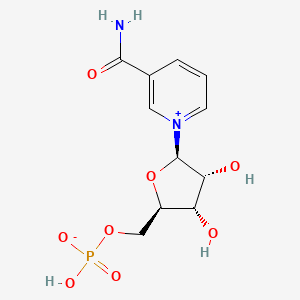
NMN is a nicotinamide mononucleotide intermediate in NAD+ biosynthesis. The linked publications describe mouse metabolic experiments and aging biology; they do not establish a human dose, pharmacokinetic profile, or clinical treatment effect.
NMN is a product of NAMPT-mediated NAD+ biosynthesis; the mouse study links restoration of NAD+ and partial SIRT1 activation to metabolic improvements. [3]
What the research measured, for whom, and under which exposure. Findings remain attached to the study’s task or clinical endpoint.
NMN ameliorated glucose intolerance in high-fat-diet- and age-induced diabetes mouse models. [3]
Study doses and reference exposures, with route, formulation and duration.
Other routes · Other or unspecified · 1 record
Absorption, metabolism and elimination depend on the analyte, route, formulation, physiology and other exposures.
No pharmacokinetic observation was supplied by this identity import. [1]
Adverse effects and interactions reported in the cited studies.
The linked NMN efficacy study was conducted in mice; it does not establish human dosing, pharmacokinetics, or clinical benefit. [3]
PMID 24360282 studies NAD+ decline and restoration in aging mice and is not a human NMN trial. [2]
Original publications, findings and available funding disclosures.
Explore the participants, roles and sources behind each relationship.
Mouse models; dose and route are not stated in the abstract.
Limitation Preclinical evidence; no human translation established.
Content updated Oct 27, 2026.