A field guide
to substances.
Understand the effects. Explore the mechanisms.
Read the evidence, with its context intact.
Explore the collection.
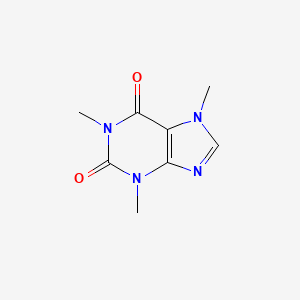
Caffeine
C8H10N4O2A familiar stimulant with an unusually rich evidence base. Its effects depend on timing, tolerance and how quickly your body clears it.
Citicoline
C14H26N4O11P2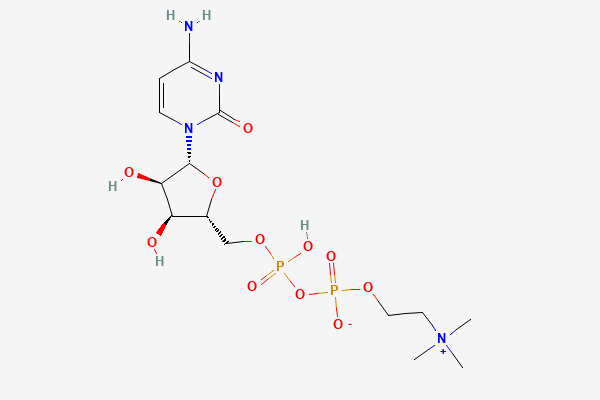
CDP-choline is studied as a source of choline and in neurological outcomes. A positive memory-task finding does not establish broad neuroprotection.
Creatine
C4H9N3O2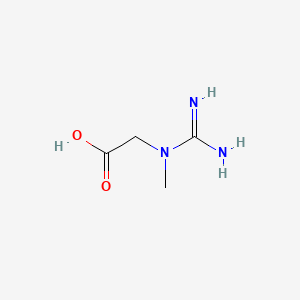
An endogenous compound used in muscle energy metabolism. Supplementation research is strongest around muscle stores and exercise.
Diphenhydramine
C17H21NO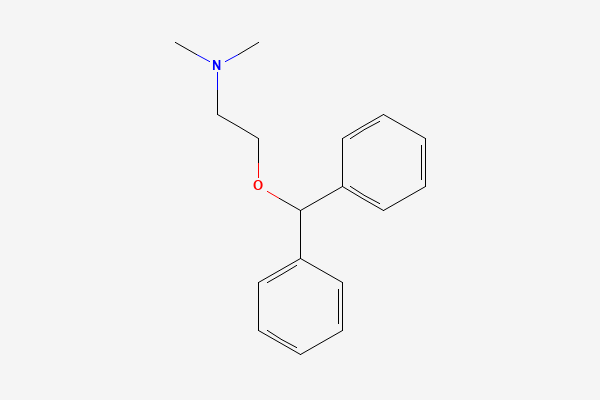
An H1 antihistamine with antimuscarinic and sedative actions. A sedating experience is not equivalent to restorative sleep or preserved performance.
L-theanine
C7H14N2O3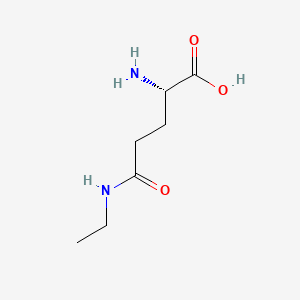
A tea-derived amino acid studied alone and alongside caffeine. Small attention studies offer useful signals, with important limits.
Melatonin
C13H16N2O2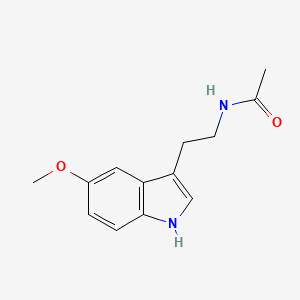
A hormone involved in circadian timing. Formulation, timing and the sleep problem being studied all matter.
Methylphenidate
C14H19NO2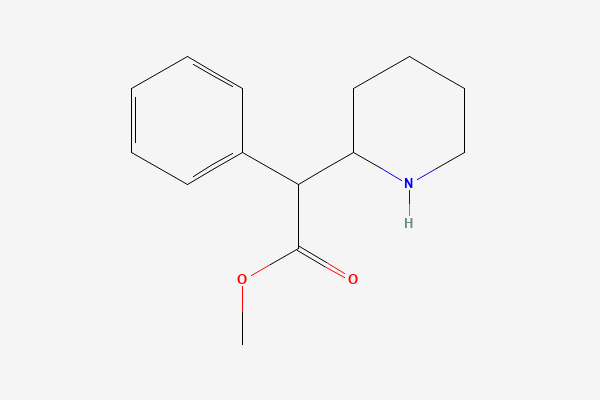
A stimulant medicine with formulation-dependent delivery. ADHD treatment findings and attention-task results should retain their population and exposure context.
Modafinil
C15H15NO2S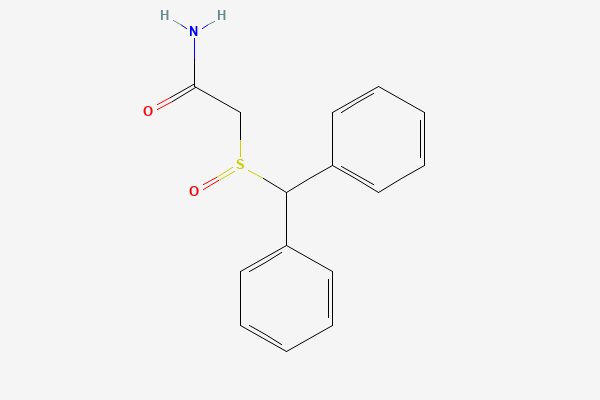
A wake-promoting medicine studied in diagnosed sleep disorders. Measured wakefulness, felt alertness and everyday performance are different outcomes.
Nicotine
C10H14N2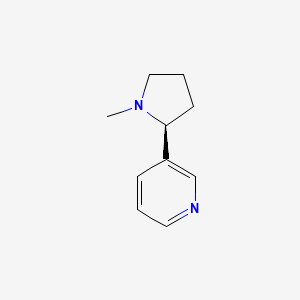
An addictive nicotinic acetylcholine receptor agonist. Delivery route changes exposure; tobacco-smoke harms and nicotine pharmacology need separate treatment.
Psilocybin
C12H17N2O4P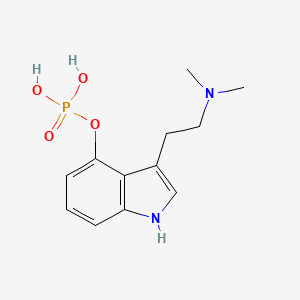
A prodrug of psilocin, studied in supported clinical settings. Subjective effects, therapeutic outcomes and legal status are distinct questions.