 Wikipedia
Short-term memory retrieval
IncreasedLow-dose methylene blue increased correct responses by 7% on a delayed match-to-sample task and increased task-related fMRI responses in healthy adults. [1]
Human research
The substance library
Methylene blue is a redox-active compound. Research explores its effects on cellular energy processes and memory.
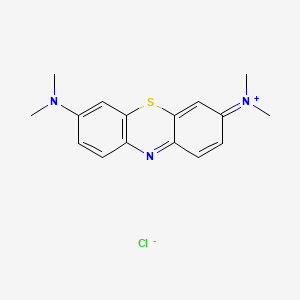
The linked sources include controlled human trials, a case report, cell/animal work, and two PMC full texts; dose, population, and evidence level are retained per record.
Methylene blue and its metabolites inhibit monoamine oxidase and engage NO-cGMP signaling; the cited antidepressant-like findings were mainly rodent and in-vitro evidence. [9]
Low-dose methylene blue can enhance mitochondrial electron transport and redox cycling in neuronal models; PMC4428125 reports neuroprotection with near-infrared light in preclinical systems. [7]
What the research measured, for whom, and under which exposure. Findings remain attached to the study’s task or clinical endpoint.
Low-dose methylene blue increased correct responses by 7% on a delayed match-to-sample task and increased task-related fMRI responses in healthy adults. [1]
A single low oral dose changed task-related cerebral blood flow and strengthened resting-state connectivity linking perception and memory networks. [5]
Post-session 260 mg methylene blue reduced one-month fear renewal when posttraining fear was low, but tended to worsen follow-up when posttraining fear remained moderate or high; contextual memory was enhanced independently of fear. [8]
In a randomized crossover trial adjunctive to lamotrigine, 195 mg/day improved depression scores versus the 15 mg low-dose arm; anxiety also improved, while cognitive effects were not significant. [4]
Study doses and reference exposures, with route, formulation and duration.
Oral · By mouth · 2 records
Absorption, metabolism and elimination depend on the analyte, route, formulation, physiology and other exposures.
No validated elimination observation was imported in this corpus pass. [1]
Adverse effects and interactions reported in the cited studies.
Methylene blue inhibits MAO-A and has caused serotonin excess syndrome when combined with SSRIs; this interaction can be life-threatening. [2]
Ethylthioninium chloride was more toxic to cultured cells than methylene blue in the cited study; progeria rescue and photoinactivation findings are preclinical. [9]
Original publications, findings and available funding disclosures.
Explore the participants, roles and sources behind each relationship.
Randomized double-blind placebo-controlled fMRI study.
Limitation Low-dose amount and longer-term effects were not established in the abstract.
Six-month randomized crossover trial with lamotrigine background treatment.
Limitation Disease-specific adjunctive trial; mild transient side effects were reported.
Double-blind randomized study; benefit followed successful extinction, whereas unsuccessful extinction could worsen follow-up fear.
Limitation Small exposure-therapy augmentation study; direction depended on posttraining fear.
Content updated Nov 1, 2026.