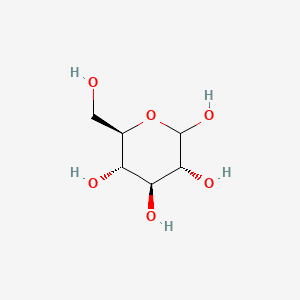
The administration of a glucose drink has been shown to enhance cognitive performance with effect sizes comparable with those from pharmaceutical interventions in human trials. In the memory domain, it is currently debated whether glucose facilitation of performance is due to differential targeting of hippocampal memory or whether task effort is a more important determinant. [1]
PopulationUsing a placebo-controlled, double-blind, crossover 2(Drink: glucose/placebo) × 2(Effort: ± secondary task) design, 20 healthy young adults' recognition memory performance was measured using the 'remember-know' procedure.ExposureThe administration of a glucose drink has been shown to enhance cognitive performance with effect sizes comparable with those from pharmaceutical interventions in human trials. In the memory domain, it is currently debated whether glucose facilitation of performance is due to differential targeting of hippocampal memory or whether task effort is a more important determinant.MeasureNot assessed
RATIONALE: Current research suggests that glucose facilitates performance on cognitive tasks which possess an episodic memory component and a relatively high level of cognitive demand. However, the extent to which this glucose facilitation effect is uniform across the lifespan is uncertain. [2]
Population24 healthy younger (average age 20ExposureRATIONALE: Current research suggests that glucose facilitates performance on cognitive tasks which possess an episodic memory component and a relatively high level of cognitive demand. However, the extent to which this glucose facilitation effect is uniform across the lifespan is uncertain.MeasureNot assessed
It has been suggested that the memory enhancing effect of glucose follows an inverted U-shaped curve, with 25 g resulting in optimal facilitation in healthy young adults. The aim of this study was to further investigate the dose dependency of the glucose facilitation effect in this population across different memory domains and to assess moderation by interindividual differences in glucose regulation and weight. [3]
Populationadministered drinks containing five different doses of glucose (0 g, 15 g, 25 g, 50 g, and 60 g) and were tested across a range of memory tasksExposureIt has been suggested that the memory enhancing effect of glucose follows an inverted U-shaped curve, with 25 g resulting in optimal facilitation in healthy young adults. The aim of this study was to further investigate the dose dependency of the glucose facilitation effect in this population across different memory domains and to assess moderation by interindividual differences in glucose regulation and weight.MeasureNot assessed
The hypothesis that the ability to control blood glucose levels influence memory and other aspects of cognition was considered. Individual differences in the ability to control blood glucose were measured by giving a glucose tolerance test (GTT) to 46 young adult females. [4]
PopulationIndividual differences in the ability to control blood glucose were measured by giving a glucose tolerance test (GTT) to 46 young adult females.ExposureThe hypothesis that the ability to control blood glucose levels influence memory and other aspects of cognition was considered. Individual differences in the ability to control blood glucose were measured by giving a glucose tolerance test (GTT) to 46 young adult females.MeasureNot assessed
As it has been suggested that blood glucose might play a role in the action of some cognitive enhancing drugs, the influence of glucose containing drinks on human memory was examined. In a double-blind study the influence was examined of a drink containing 50 g glucose, or a placebo, on the ability to recall a word list. [5]
PopulationPopulation description was not available in the retrieved abstract.ExposureAs it has been suggested that blood glucose might play a role in the action of some cognitive enhancing drugs, the influence of glucose containing drinks on human memory was examined. In a double-blind study the influence was examined of a drink containing 50 g glucose, or a placebo, on the ability to recall a word list.MeasureNot assessed
Human research
03
Doses & routes
Study doses and reference exposures, with route, formulation and duration.
Other routes · Other or unspecified · 1 record
04
Pharmacokinetics
Absorption, metabolism and elimination depend on the analyte, route, formulation, physiology and other exposures.
No validated elimination observation was imported in this corpus pass. [1]
05
Safety & uncertainty
Adverse effects and interactions reported in the cited studies.
Warning
Source-specific finding from PMID 22766389
The administration of a glucose drink has been shown to enhance cognitive performance with effect sizes comparable with those from pharmaceutical interventions in human trials. In the memory domain, it is currently debated whether glucose facilitation of performance is due to differential targeting of hippocampal memory or whether task effort is a more important determinant. [1]
Original publications, findings and available funding disclosures.
07
Connected claims
Explore the participants, roles and sources behind each relationship.
associated-withAuthored relationship
PMID 22766389 reports: The administration of a glucose drink has been shown to enhance cognitive performance with effect sizes comparable with those from pharmaceutical interventions in human trials. In the memory domain, it is currently debated whether glucose facilitation of performance is due to differential targeting of hippocampal memory or whether task effort is a more important determinant.
Publication abstract; direction and population are retained on the linked observation.
Limitation Automated corpus import from an abstract; this record is not an independent meta-analysis.
associated-withAuthored relationship
PMID 25288513 reports: RATIONALE: Current research suggests that glucose facilitates performance on cognitive tasks which possess an episodic memory component and a relatively high level of cognitive demand. However, the extent to which this glucose facilitation effect is uniform across the lifespan is uncertain.
Publication abstract; direction and population are retained on the linked observation.
Limitation Automated corpus import from an abstract; this record is not an independent meta-analysis.
associated-withAuthored relationship
PMID 20488830 reports: It has been suggested that the memory enhancing effect of glucose follows an inverted U-shaped curve, with 25 g resulting in optimal facilitation in healthy young adults. The aim of this study was to further investigate the dose dependency of the glucose facilitation effect in this population across different memory domains and to assess moderation by interindividual differences in glucose regulation and weight.
Publication abstract; direction and population are retained on the linked observation.
Limitation Automated corpus import from an abstract; this record is not an independent meta-analysis.
associated-withAuthored relationship
PMID 11150572 reports: The hypothesis that the ability to control blood glucose levels influence memory and other aspects of cognition was considered. Individual differences in the ability to control blood glucose were measured by giving a glucose tolerance test (GTT) to 46 young adult females.
Publication abstract; direction and population are retained on the linked observation.
Limitation Automated corpus import from an abstract; this record is not an independent meta-analysis.
associated-withAuthored relationship
PMID 7862833 reports: As it has been suggested that blood glucose might play a role in the action of some cognitive enhancing drugs, the influence of glucose containing drinks on human memory was examined. In a double-blind study the influence was examined of a drink containing 50 g glucose, or a placebo, on the ability to recall a word list.