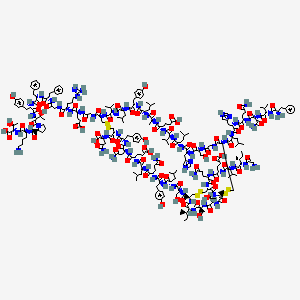
Insulin is a peptide hormone involved in glucose regulation. Studies explore insulin signalling in the brain and its effects on memory.
How it works
Source-specific finding from PMID 15288712
Previous studies have suggested an acutely improving effect of insulin on memory function. To study changes in memory associated with a prolonged increase in brain insulin activity in humans, here we used the intranasal route of insulin administration known to provide direct access of the substance to the cerebrospinal fluid compartment. [2]
02
Measured outcomes
What the research measured, for whom, and under which exposure. Findings remain attached to the study’s task or clinical endpoint.
There is compelling evidence that intranasal administration of regular human insulin (RH-I) improves memory in humans. Owing to the reduced tendency of its molecules to form hexamers, the rapid-acting insulin analog insulin aspart (ASP-I) is more rapidly absorbed than RH-I after subcutaneous administration. [1]
PopulationAcute (40 IU) and long-term (4 x 40 IU/day over 8 weeks) effects of intranasally administered ASP-I, RH-I, and placebo on declarative memory (word lists) were assessed in 36 healthy men in a between-subject design.ExposureThere is compelling evidence that intranasal administration of regular human insulin (RH-I) improves memory in humans. Owing to the reduced tendency of its molecules to form hexamers, the rapid-acting insulin analog insulin aspart (ASP-I) is more rapidly absorbed than RH-I after subcutaneous administration.MeasureNot assessed
Previous studies have suggested an acutely improving effect of insulin on memory function. To study changes in memory associated with a prolonged increase in brain insulin activity in humans, here we used the intranasal route of insulin administration known to provide direct access of the substance to the cerebrospinal fluid compartment. [2]
PopulationWe investigated the effects of 8 weeks of intranasal administration of insulin (human regular insulin 4 x 40 IU/d) on declarative memory (immediate and delayed recall of word lists), attention (Stroop test), and mood in 38 healthy subjects (24 males) in a double blind, between-subject comparison.ExposurePrevious studies have suggested an acutely improving effect of insulin on memory function. To study changes in memory associated with a prolonged increase in brain insulin activity in humans, here we used the intranasal route of insulin administration known to provide direct access of the substance to the cerebrospinal fluid compartment.MeasureNot assessed
Peripheral insulin resistance is a key component of metabolic syndrome associated with obesity, dyslipidemia, hypertension, and type 2 diabetes. While the impact of insulin resistance is well recognized in the periphery, it is also becoming apparent in the brain. [3]
PopulationRecent studies suggest that insulin resistance may be a factor in brain aging and Alzheimer's disease (AD) whereby intranasal insulin therapy, which delivers insulin to the brain, improves cognition and memory in AD patients.ExposurePeripheral insulin resistance is a key component of metabolic syndrome associated with obesity, dyslipidemia, hypertension, and type 2 diabetes. While the impact of insulin resistance is well recognized in the periphery, it is also becoming apparent in the brain.MeasureNot assessed
Limited research
03
Pharmacokinetics
Absorption, metabolism and elimination depend on the analyte, route, formulation, physiology and other exposures.
No validated elimination observation was imported in this corpus pass. [1]
04
Safety & uncertainty
Adverse effects and interactions reported in the cited studies.
Warning
Source-specific finding from PMID 15288712
Previous studies have suggested an acutely improving effect of insulin on memory function. To study changes in memory associated with a prolonged increase in brain insulin activity in humans, here we used the intranasal route of insulin administration known to provide direct access of the substance to the cerebrospinal fluid compartment. [2]
Original publications, findings and available funding disclosures.
06
Connected claims
Explore the participants, roles and sources behind each relationship.
associated-withAuthored relationship
PMID 16936707 reports: There is compelling evidence that intranasal administration of regular human insulin (RH-I) improves memory in humans. Owing to the reduced tendency of its molecules to form hexamers, the rapid-acting insulin analog insulin aspart (ASP-I) is more rapidly absorbed than RH-I after subcutaneous administration.
Publication abstract; direction and population are retained on the linked observation.
Limitation Automated corpus import from an abstract; this record is not an independent meta-analysis.
associated-withAuthored relationship
PMID 15288712 reports: Previous studies have suggested an acutely improving effect of insulin on memory function. To study changes in memory associated with a prolonged increase in brain insulin activity in humans, here we used the intranasal route of insulin administration known to provide direct access of the substance to the cerebrospinal fluid compartment.
Publication abstract; direction and population are retained on the linked observation.
Limitation Automated corpus import from an abstract; this record is not an independent meta-analysis.
associated-withAuthored relationship
PMID 25659889 reports: Peripheral insulin resistance is a key component of metabolic syndrome associated with obesity, dyslipidemia, hypertension, and type 2 diabetes. While the impact of insulin resistance is well recognized in the periphery, it is also becoming apparent in the brain.