
The substance library

TheacrineResearch profile

Theacrine is a purine alkaloid found in some tea plants. Research examines energy, mood and attention.

4 sourcesContent date Nov 1, 2026CompareExplore connectionsRevision history
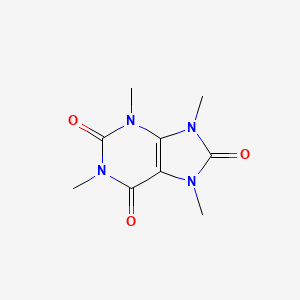
Theacrine molecular structure
PubChem
01

Overview

Theacrine is a purine alkaloid found in some tea plants. Research examines energy, mood and attention.

How it works

Explicit mechanistic or disposition finding (PMID 26766930)

kucha) that has anti-inflammatory, analgesic, and neuro-locomotor properties. [3]

02

Subjective effects

Reported experiences are kept separate from measured outcomes and remain tied to their cited context.

Variable
Human research

All values for clinical safety markers fell within normal limits and no group × time interactions were noted. No evidence of habituation was noted as baseline values for energy, focus, concentration, anxiety, motivation to exercise, and POMS remained stable in all groups across the 8-week study protocol. These findings support the clinical safety and non-habituating neuro-energetic effects of TeaCrine® supplementation over 8 weeks of daily use (up to 300 mg/day). Moreover, there was no evidence of a tachyphylactic response that is typical of neuroactive agents such as caffeine and other stimulants. [3]

Population
Sixty healthy men (mean ± SD age, height, weight: 22
Exposure context
Sixty healthy men (mean ± SD age, height,
03

Measured outcomes

What the research measured, for whom, and under which exposure. Findings remain attached to the study’s task or clinical endpoint.

All values for clinical safety markers fell within normal limits and no group × time interactions were noted. No evidence of habituation was noted as baseline values for energy, focus, concentration, anxiety, motivation to exercise, and POMS remained stable in all groups across the 8-week study protocol. These findings support the clinical safety and non-habituating neuro-energetic effects of TeaCrine® supplementation over 8 weeks of daily use (up to 300 mg/day). Moreover, there was no evidence of a tachyphylactic response that is typical of neuroactive agents such as caffeine and other stimulants. [3]

PopulationSixty healthy men (mean ± SD age, height, weight: 22ExposureSixty healthy men (mean ± SD age, height,MeasureNot assessed
Human research

No condition or interaction effects were noted for TMT, DSST, or reaction time, despite a trend for improvement in selected variables with both TheaTrim and caffeine treatment. These data indicate that TheaTrim treatment does not result in a statistically significant improvement in cognitive performance but may favorably impact multiple subjective feelings related to energy and mood. [4]

Population10 healthy men (20ExposureTo compare the effects of a theacrine-containing dietary supplement with caffeine and placebo on energy and mood, as well as objective measures of cognitive performance, heart rate, and blood pressure, 10 healthy men (20.8 ± 0.7 years) and 10 healthy women (22.2 ± 1.1 years) ingested the dietary supplement TheaTrim (Purus Labs; containing a branded form of theacrine (Teacrine™) and caffeine (150 mg)), caffeine only (150 mg), or a placebo on three different days, separated by approximately one weMeasurereaction time
Human research
04

Doses & routes

Study doses and reference exposures, with route, formulation and duration.

Other routes · Other or unspecified · 3 records

PMID 26766930 study exposure: 200 mg

Research exposure

200 mg [3]

Ingredient / form
Theacrine · Study formulation as stated in the abstract
Frequency
As stated in the abstract
Duration
Study duration as stated in the abstract
Population
Sixty healthy men (mean ± SD age, height, weight: 22
Purpose
Research exposure; not a general-use recommendation

4 kg) were placed into one of three groups: placebo (PLA, n = 20), 200 mg TeaCrine® (LD, n = 19) or 300 mg Teacrine® (HD, n = 21) and ingested their respective supplement once daily for 8 weeks Full text is available via PMC.

PMID 26766930 study exposure: 300 mg

Research exposure

300 mg [3]

Ingredient / form
Theacrine · Study formulation as stated in the abstract
Frequency
As stated in the abstract
Duration
Study duration as stated in the abstract
Population
Sixty healthy men (mean ± SD age, height, weight: 22
Purpose
Research exposure; not a general-use recommendation

4 kg) were placed into one of three groups: placebo (PLA, n = 20), 200 mg TeaCrine® (LD, n = 19) or 300 mg Teacrine® (HD, n = 21) and ingested their respective supplement once daily for 8 weeks Full text is available via PMC.

PMID 26610558 study exposure: 150 mg

Research exposure

150 mg [4]

Ingredient / form
Theacrine · Study formulation as stated in the abstract
Frequency
As stated in the abstract
Duration
Study duration as stated in the abstract
Population
10 healthy men (20
Purpose
Research exposure; not a general-use recommendation

containing a branded form of theacrine (Teacrine™) and caffeine (150 mg)), caffeine only (150 mg), or a placebo on three different days, separated by approximately one week Full text is available via PMC.

05

Pharmacokinetics

Absorption, metabolism and elimination depend on the analyte, route, formulation, physiology and other exposures.

No pharmacokinetic observation was supplied by this identity import. [1]

06

Safety & uncertainty

Adverse effects and interactions reported in the cited studies.

Warning

Safety or adverse-event finding (PMID 26766930)

The purpose of this study was to examine the safety and non-habituating effects of TeaCrine®, a nature-identical, chemically equivalent bioactive version of theacrine. [3]

Interactions in cited sources

Explore a pair of substances
07

Research & sources

4

Original publications, findings and available funding disclosures.

08

Connected claims

Explore the participants, roles and sources behind each relationship.

associated-withAuthored relationship

All values for clinical safety markers fell within normal limits and no group × time interactions were noted. No evidence of habituation was noted as baseline values for energy, focus, concentration, anxiety, motivation to exercise, and POMS remained stable in all groups across the 8-week study protocol. These findings support the clinical safety and non-habituating neuro-energetic effects of TeaCrine® supplementation over 8 weeks of daily use (up to 300 mg/day). Moreover, there was no evidence of a tachyphylactic response that is typical of neuroactive agents such as caffeine and other stimulants.

Theacrineintervention or exposure
Anxiety symptom severityreported endpoint

PMID 26766930 abstract result/conclusion; direction and population are retained on the linked observation.

Limitation Single publication; the abstract does not establish general efficacy or safety.

associated-withAuthored relationship

No condition or interaction effects were noted for TMT, DSST, or reaction time, despite a trend for improvement in selected variables with both TheaTrim and caffeine treatment. These data indicate that TheaTrim treatment does not result in a statistically significant improvement in cognitive performance but may favorably impact multiple subjective feelings related to energy and mood.

Theacrineintervention or exposure

PMID 26610558 abstract result/conclusion; direction and population are retained on the linked observation.

Limitation Single publication; the abstract does not establish general efficacy or safety.

Explore the relationship graph
09

Publication history

Content updated Nov 1, 2026.

Keep exploring

View graph