Common-cold incidence
VariableRegular supplementation did not materially reduce common-cold incidence in the general population; incidence was lower in some extreme-exertion or cold-exposure groups. [7]
Human research
The substance library
Also known as: L-ascorbic acid · ascorbic acid · ascorbate · L(+)-ascorbic acid · vitamin C
Vitamin C is an essential water-soluble nutrient. Adequacy and scurvy treatment are established; regular oral supplementation modestly shortens common-cold duration but does not reliably prevent colds in the general population. High-dose IV exposure is pharmacologically distinct and has not established benefit for sepsis, cancer, fatigue or routine recovery.
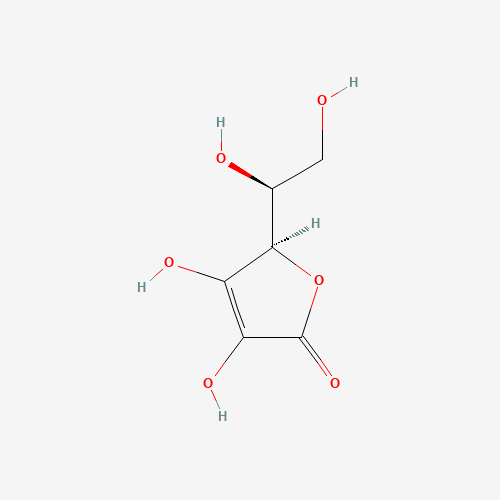
Dietary vitamin C, oral supplements and intravenous ascorbic acid are separate exposures. Oral absorption is saturable; IV products bypass gut absorption and carry distinct renal, assay and route-specific risks.
Oral absorption falls at high intake and urinary disposal increases, limiting dose-proportional plasma exposure. [5]
Above the plasma renal threshold, ascorbate is cleared into urine and high pharmacologic exposure can increase oxalate burden. [3]
Ascorbate can alter redox-sensitive assays and biochemical pathways, but mechanistic plausibility does not establish disease benefit. [3]
Reported experiences are kept separate from measured outcomes and remain tied to their cited context.
What the research measured, for whom, and under which exposure. Findings remain attached to the study’s task or clinical endpoint.
Regular supplementation did not materially reduce common-cold incidence in the general population; incidence was lower in some extreme-exertion or cold-exposure groups. [7]
CITRIS-ALI found no significant improvement in modified SOFA score, CRP or thrombomodulin despite pharmacologic IV exposure. [10]
In LOVIT, day-28 death or persistent organ dysfunction occurred in 44.5% with IV vitamin C versus 38.5% with placebo. [11]
The Physicians' Health Study II did not show prevention of cardiovascular disease from vitamin C supplementation in male physicians. [8]
Long-term oral vitamin C supplementation did not reduce total or prostate cancer incidence in the Physicians' Health Study II. [9]
Vitamin C deficiency causes fatigue, gingival disease, bruising and impaired wound healing; repletion treats the deficiency state. [4]
Study doses and reference exposures, with route, formulation and duration.
Food timing and solubility labels describe the cited route or formulation. Solubility alone does not establish whether food changes absorption.
Oral · By mouth · 3 records
Absorption, metabolism and elimination depend on the analyte, route, formulation, physiology and other exposures.
The elimination model describes the named analyte after absorption and distribution. It does not establish felt-effect timing.
intravenous · 1,000 mg ASCOR infused over 30 minutes · study-mean
The IV estimate comes from three participants in the ASCOR label; oral absorption is saturable and should not inherit this value. [3]
Adverse effects and interactions reported in the cited studies.
High oral doses commonly cause diarrhea, nausea and abdominal cramping; adult UL is 2,000 mg/day. [2]
ASCOR labeling warns about oxalate nephropathy and nephrolithiasis, especially with renal impairment or prior stones. [3]
Hemolysis, including severe hemolysis, has been reported; the label restricts pharmacologic use and calls for monitoring. [3]
High ascorbate can interfere with susceptible blood and urine glucose, bilirubin, nitrite and leukocyte assays. [3]
Nutrient reference intakes differ from pharmacologic IV exposure; ASCOR has no adequate pregnancy safety data for high-dose use. [3]
A 2026 literature review identifies vitamin C among micronutrients that may be lost into dialysis effluent or adsorbed to CRRT tubing or filters, but it reports that evidence is insufficient to define optimal supplementation doses or monitoring parameters. [1]
Original publications, findings and available funding disclosures.
Explore the participants, roles and sources behind each relationship.
Adequacy and deficiency treatment are established nutrient uses.
Limitation Labeled IV treatment is short-term and route-specific.
Regular oral use modestly shortens duration but generally does not prevent incidence.
Limitation Extreme-exposure subgroup findings do not generalize to all adults.
CITRIS-ALI was null and LOVIT found a harm signal on its primary composite.
Limitation Low-certainty meta-analytic signals do not override the largest multicenter result.
Oral 10 g/day and IV phase-I monotherapy did not establish objective clinical benefit.
Limitation Pharmacologic exposure and laboratory hypotheses are not patient benefit evidence.
Content updated Oct 10, 2026.